Laura, Cape York, Q
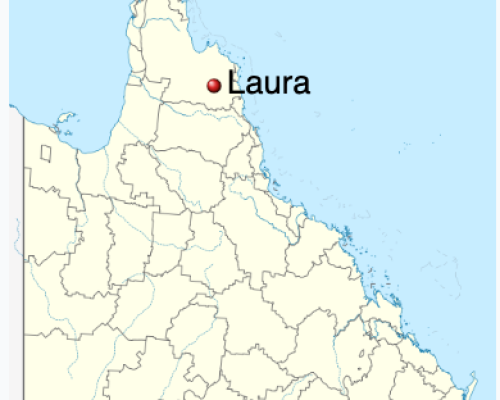
Laura is a small historic township located on Cape York Peninsula in Far North Queensland, approximately 100 kilometres west of Cooktown. The town takes its name from the Laura River, which in turn was named in 1873 by explorer and surveyor Archibald Campbell Macmillan after his wife Laura Bower (née Poingdestre).
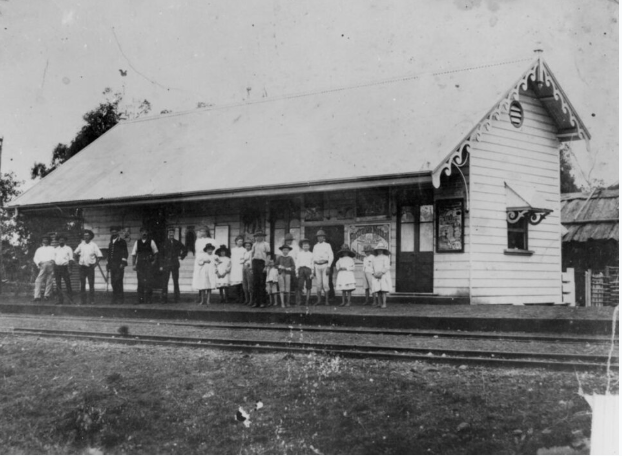
Laura developed during the 1870s following the discovery of gold on the Palmer River and became an important staging point for miners, cattlemen and travellers moving through the Cape. Laura later grew as a transport and railway centre servicing the Palmer Goldfields and remote pastoral properties across northern Queensland.
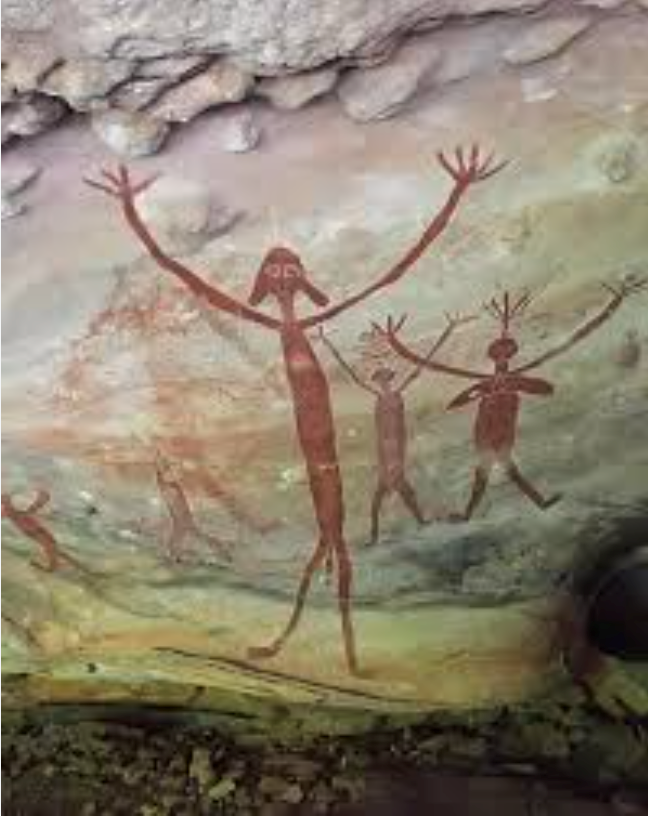
The Laura district is internationally recognised for its rich Indigenous cultural heritage, particularly the world-famous Quinkan rock art galleries, which contain some of Australia’s most significant Aboriginal rock art and evidence of human occupation dating back tens of thousands of years. The region remains closely connected to the traditions and culture of its Traditional Owners, whose stories and artwork continue to shape the identity of the area today.
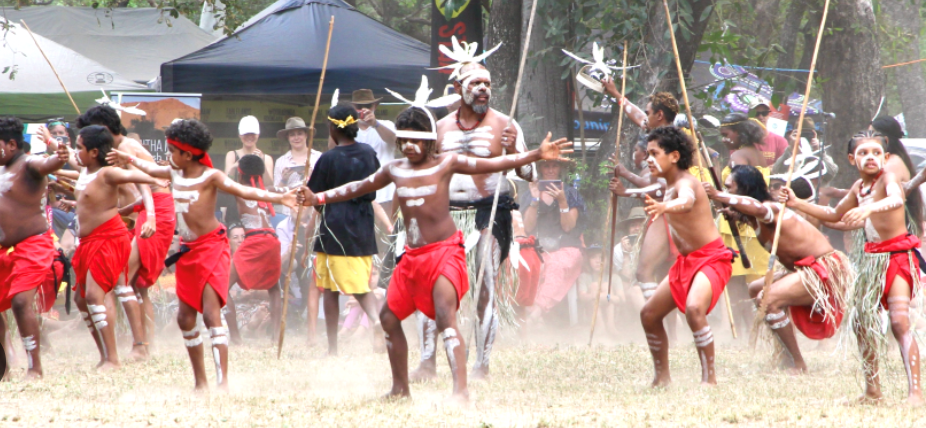
Modern Laura retains its strong outback character and is known for cattle grazing, tourism and cultural events including the Laura Quinkan Dance Festival, which celebrates Aboriginal culture, music and dance from across Cape York and northern Australia.
Cape Project
The wider Cape River district has a rich gold mining history dating back to the Queensland gold rush era of the 1860s. Gold discoveries along the Cape, Palmer and Laura Rivers attracted thousands of miners and led to the rapid establishment of mining camps, crushing batteries and small settlements throughout the region. Historical records indicate the Cape River Goldfield became one of North Queensland’s notable alluvial and reef gold districts during the late nineteenth century. Although large-scale mining activity declined over time, the district continues to attract exploration companies targeting both historical workings and new discoveries using modern exploration methods.
Traditional Owners
Quinkan Country
The Laura region of Cape York Peninsula lies within the traditional lands of several Aboriginal groups including the Kuku Thaypan, Kuku Yalanji, Gugu Yimithirr, Olkola and associated language groups whose cultural connections to the area extend back tens of thousands of years. The region is internationally renowned for the Quinkan rock art galleries, regarded as some of the largest and most significant collections of prehistoric Aboriginal rock art in the world. Archaeological evidence suggests Aboriginal occupation in the Laura region dates back more than 30,000 years, with some rock art believed to be more than 20,000 years old.
The Quinkan galleries are famous for their highly detailed depictions of people, animals, hunting scenes and spiritual beings known as “Quinkans”, supernatural figures embedded within local Aboriginal lore and storytelling traditions. Painted across sandstone escarpments using natural ochres and pigments, the artworks form part of a broader cultural landscape containing ceremonial sites, campsites and pathways used by generations of Traditional Owners. Today, local Aboriginal custodians continue to preserve and share this cultural heritage through ranger programs, guided tours and the internationally recognised Laura Quinkan Dance Festival.
Great Divide Mining Ltd
Level 12, 127 Creek Street Brisbane QLD 4000
ABN: 47 655 868 803
Phone Number: 07 3071 9290
