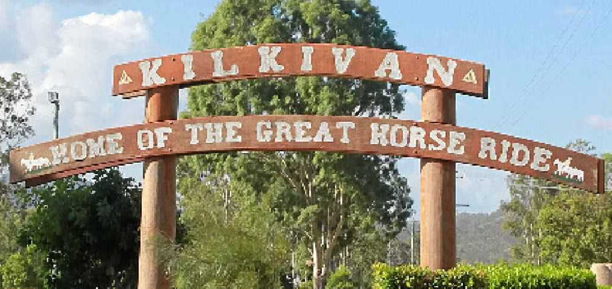
Kilkivan is a small country town in the Gympie region of South East Queensland with a strong pioneering and frontier history. Settled by Europeans in the 1840s, the town developed as a regional service centre for grazing, timber and agriculture. Today, Kilkivan retains much of its historic character and is known for its relaxed rural lifestyle, heritage buildings, and strong connection to Queensland’s early settlement history.
Devil’s Mountain Project
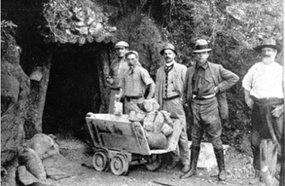
Kilkivan holds a unique place in Queensland mining history as the site of the state’s first recorded gold discovery in 1852. Later discoveries around Mount Neurum and nearby reefs triggered gold rush activity during the 1860s and 1870s, helping drive settlement and economic growth throughout the district. In addition to gold, the region supported mining for copper, silver, mercury and other minerals over many decades. Historical workings remain scattered across the surrounding hills, and the broader Gympie–Kilkivan belt is still recognised as an important gold-bearing region today.
The Kilkivan and wider Burnett region of Queensland lies within the traditional lands of the Wakka Wakka people, one of the major Aboriginal cultural groups of south-east Queensland. The Wakka Wakka people maintained strong cultural and spiritual connections to the Burnett River system, surrounding ranges, forests and plains for thousands of years prior to European settlement. Their traditional lands extended across much of the Burnett catchment including present-day Eidsvold, Gayndah, Mundubbera, Murgon and Cherbourg.
The Wakka Wakka language belongs to the Waka–Kabic branch of the Pama–Nyungan language family, with local dialects including Wulli Wulli spoken in parts of the Eidsvold district.
The Burnett region was historically an important meeting and travel area for Aboriginal groups, with significant cultural sites including Ban Ban Springs and pathways leading to the Bunya Mountains gatherings, where neighbouring groups met for ceremony, trade and social connection. Despite the major disruptions caused by pastoral settlement and gold mining during the 1800s.
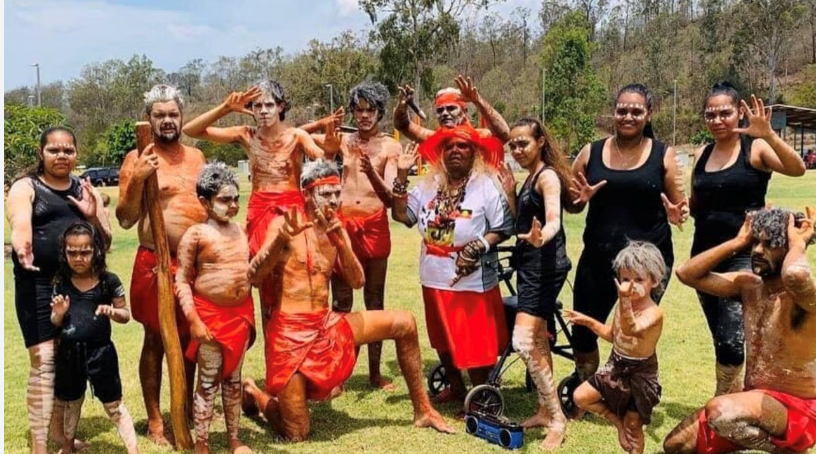
Wakka Wakka people have maintained enduring cultural ties to Country. Today, language revival programs, cultural heritage initiatives and native title recognition continue to strengthen and preserve Wakka Wakka culture and identity across the Burnett region.