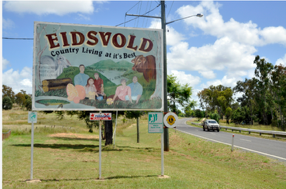
Eidsvold is a historic rural town in Queensland’s North Burnett region, situated on the Burnett Highway approximately 430 kilometres north of Brisbane. Originally established as a pastoral settlement in the mid-1800s, the town was named after Eidsvold in Norway by the Archer family, early pioneers of the district. Today, Eidsvold is known for its cattle industry, strong agricultural heritage, and historic buildings linked to Queensland’s early pastoral expansion.
Coonambula Project
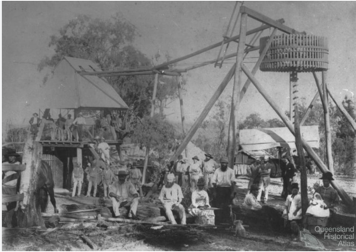
Gold played a major role in shaping the Eidsvold district during the late nineteenth century. Although gold was first discovered in the area in the 1850s, a major rush began in 1886–1887, bringing miners, businesses and new residents into the region. The Eidsvold Goldfield quickly became one of Queensland’s recognised gold districts, supporting numerous small mines and prospecting operations across the surrounding hills. Historical mining activity remains an important part of the region’s identity and continues to attract modern mineral exploration interest today.
Eidsvold has proclaimed itself the Beef Capital of the Burnett Region
Traditional Owners - Eidsvold
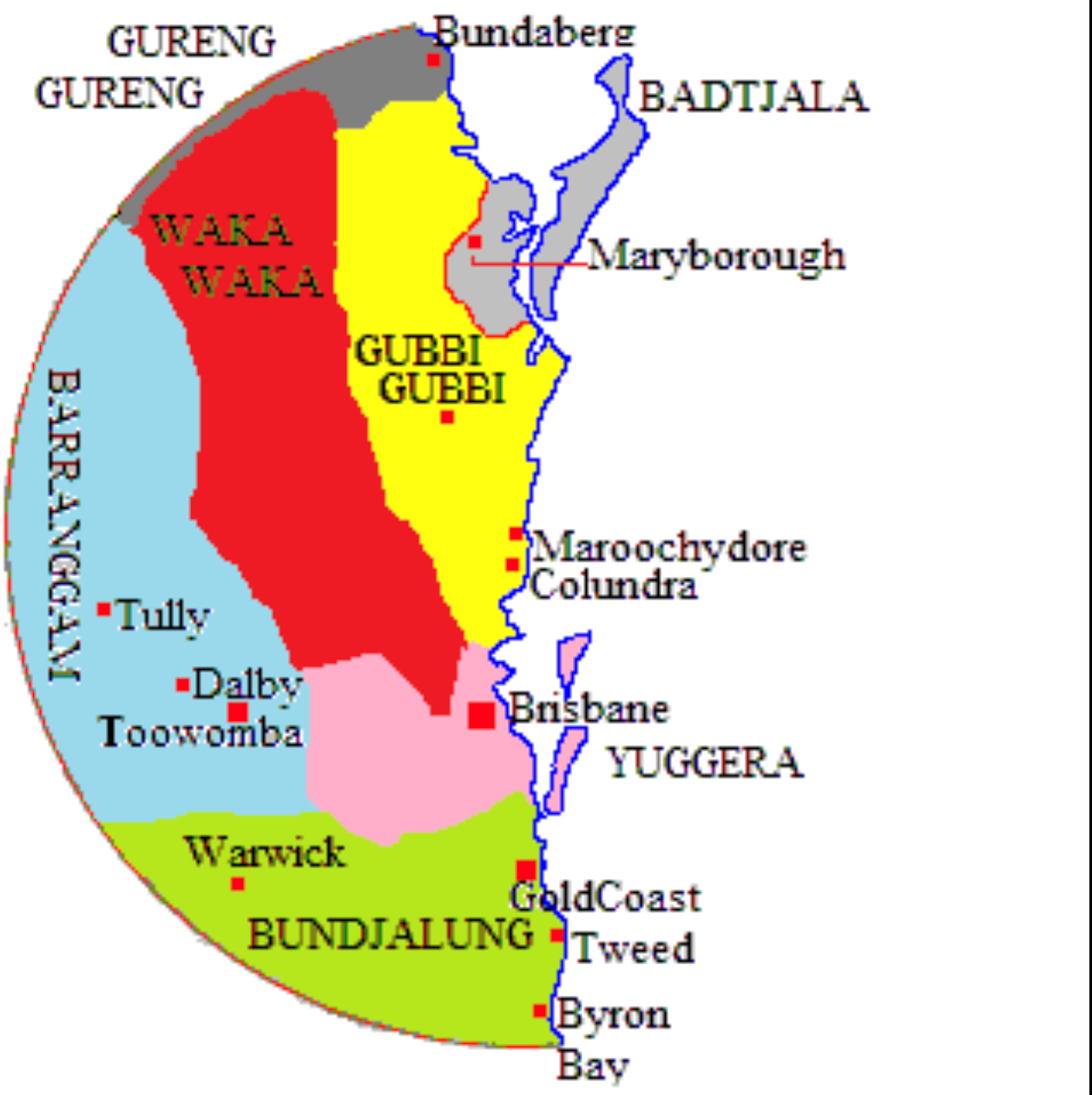
Wakka Wakka Traditional Lands
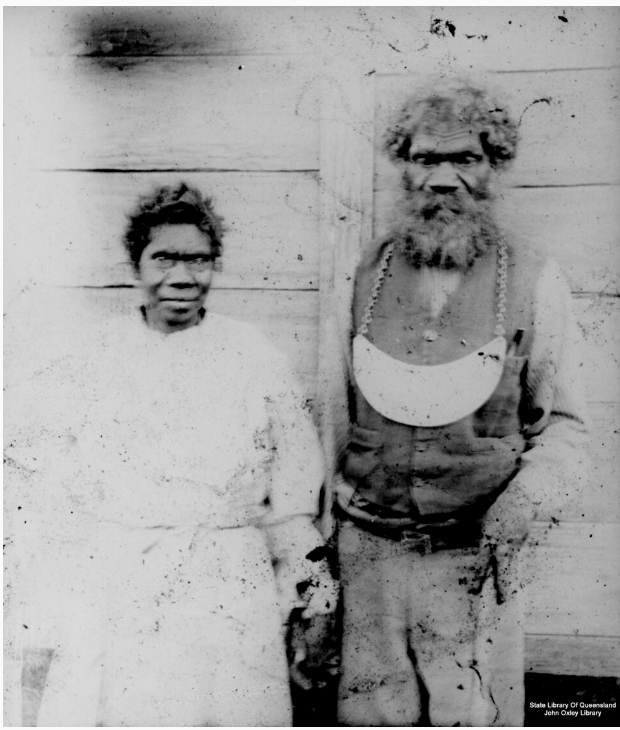
The Eidsvold and wider Burnett region of Queensland lies within the traditional lands of the Wakka Wakka people, one of the major Aboriginal cultural groups of south-east Queensland. The Wakka Wakka people maintained strong cultural and spiritual connections to the Burnett River system, surrounding ranges, forests and plains for thousands of years prior to European settlement. Their traditional lands extended across much of the Burnett catchment including present-day Eidsvold, Kilkivan, Gayndah, Mundubbera, Murgon and Cherbourg.
The Wakka Wakka language belongs to the Waka–Kabic branch of the Pama–Nyungan language family, with local dialects including Wulli Wulli spoken in parts of the Eidsvold district.
The Burnett region was historically an important meeting and travel area for Aboriginal groups, with significant cultural sites including Ban Ban Springs and pathways leading to the Bunya Mountains gatherings, where neighbouring groups met for ceremony, trade and social connection. Despite the major disruptions caused by pastoral settlement and gold mining during the 1800s.
Wakka Wakka people have maintained enduring cultural ties to Country. Today, language revival programs, cultural heritage initiatives and native title recognition continue to strengthen and preserve Wakka Wakka culture and identity across the Burnett region.